Bent River Tree Care Bent RiverTree Care 678-973-7773Free quotes

Our plant health care partner

Plant Health Care Services

Eight treatments, in the order a homeowner tends to meet them.

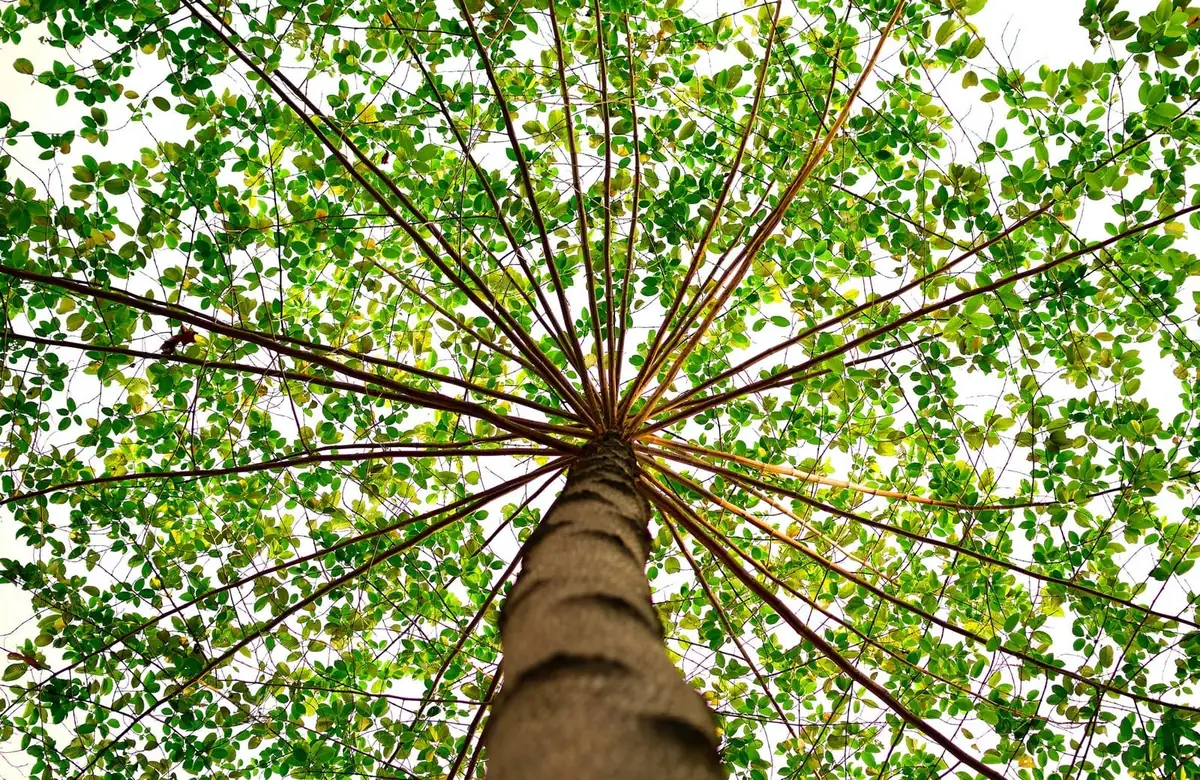
Looking up the trunk of a tree into its canopy
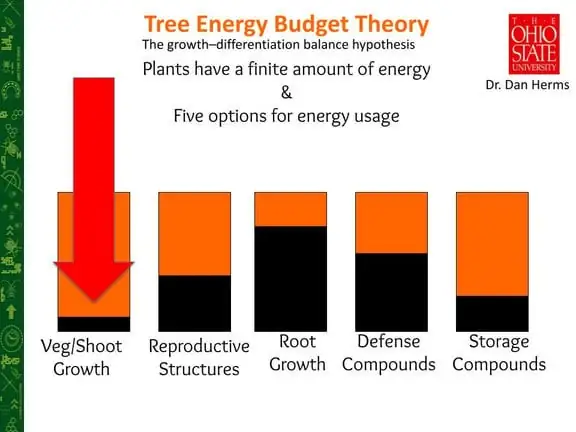
A chart titled Tree Energy Budget Theory
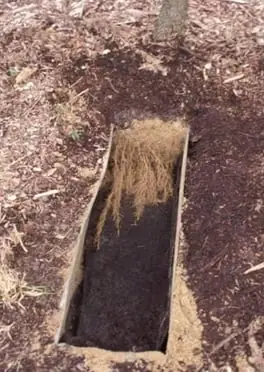
A soil pit beside an untreated tree
Untreated
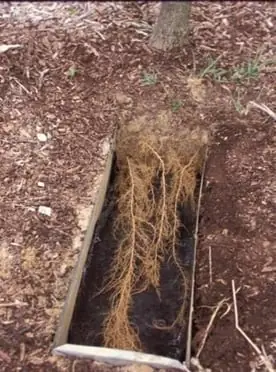
A soil pit beside a treated tree, dense with fine roots
Treated
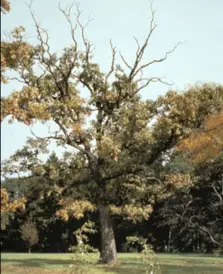
The tree in 1989
1989
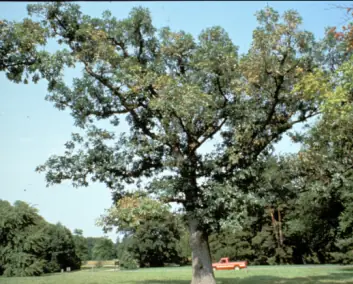
The tree in 1994
1994
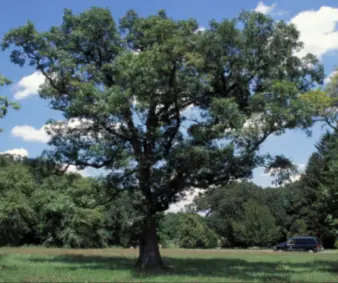
The tree in 2001
2001
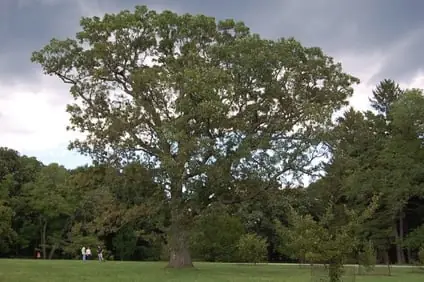
The tree in 2014
2014

Plant Regulator

What it is

A product that redirects where the energy within the plant is sent

Who it’s for

Most species of trees and some shrubs within our urban and natural landscapes

Why you need it

  • Increase the root system
  • Increase disease and insect resistance
  • Improve overall health and visual appeal
  • Reduce overgrowing shoots

In more detail

Primary effect of plant regulator: Redirect the plants energy usage from one area to another

The plant’s root system is the primary location to move this energy

With a healthy root system, the plant is better able to access nutrients and water making the plant healthier and more drought tolerant.
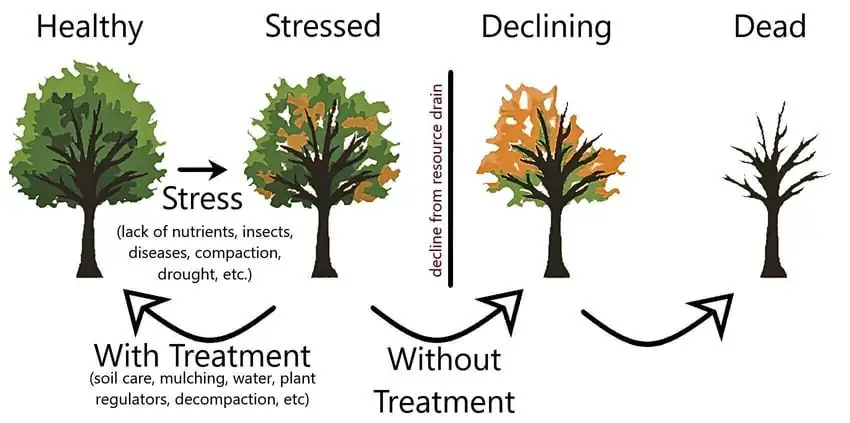

A diagram: a healthy tree becomes stressed, then declining, then dead. With treatment the tree recovers; without treatment it continues to decline.
Trays of fast food Fresh vegetables

Providing soil care to your trees is similar to you having a healthy diet

Soil Care

What it is

  • Adjustment of soil nutrients
  • pH adjustments
  • Mimics the tree’s natural environment

Who it’s for

  • Anyone and everyone
  • Around your house, the neighborhood park

Most all of our environments are lacking in proper nutrients for our trees.

Why you need it

  • Increase drought resistance
  • Increase disease and insect resistance
  • Induce a healthier root structure and overall healthier canopy

In more detail

Every tree within our urban environment has some level of poor soil health affecting it.

In order to build our homes and streets, we have to first remove the soft upper layers of soil so that we can build on a solid foundation.

Those upper layers of soil contain the vast majority of nutrients needed to sustain a healthy tree.

Upper topsoil layers takes between 100-500 years/inch to naturally form.

Trees in most of our urban environments are essentially eating the equivalent of fast food every day of their life.

It sustains them yes, but it also shortens their lifespan and makes them more likely to get sick.

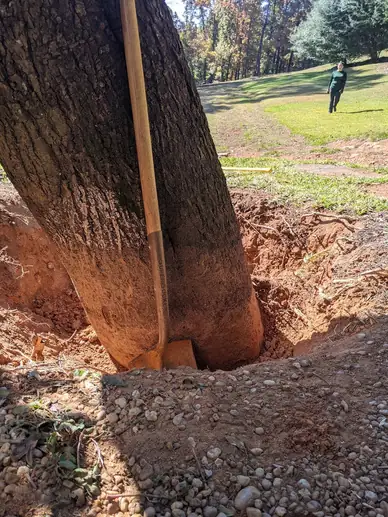
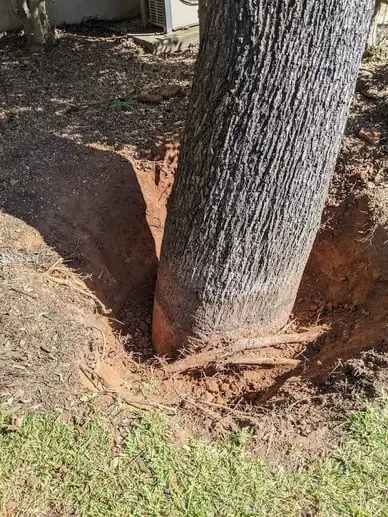
A tree base excavated to expose the root collar The base of a tree with soil cut away

Root Collar Excavation

What it is

A Root Collar Excavation (RCE) is the process of removing the excess:

  • Soil
  • Mulch
  • Root mass from around the root collar of the tree

Who it’s for

If a tree looks like a telephone pole going into the ground this treatment is needed.

Trees are meant to flare out at the base if you do not see this then that tree needs an RCE.

Why you need it

Buried root collars can cause numerous issues for the tree which can show as branch dieback, wilting, discoloration of the leaves, and several others.

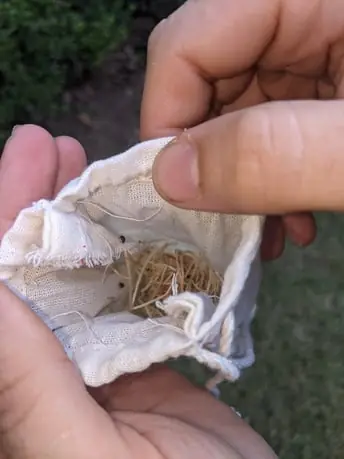
A hand holding an open release bag A praying mantis on a stem

Biological Control

What it is

The use of insect predators to control unwanted pests

Who it’s for

For anyone who is looking for a natural alternative to traditional insect control

Why you need it

If you have insects harming your plants, then this is a safe solution to protect your plants and allow them to thrive.

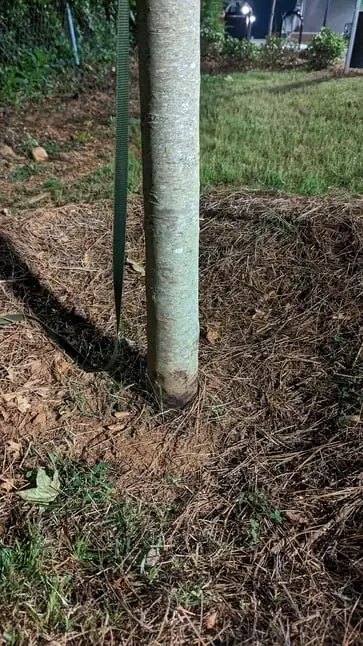
A young tree with a protective wrap around the trunk
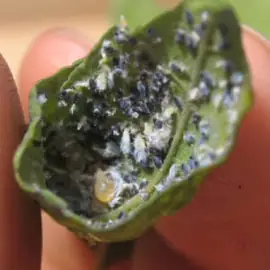
The underside of an infested leaf
Photo: Albert (Bud) Mayfield, USDA Forest Service, Bugwood.org
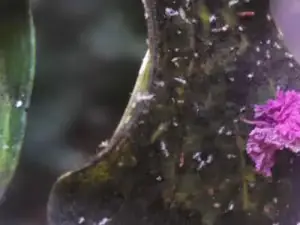
A leaf showing pest damage
Photo: isuagcenter.com
A leaf carrying a heavy insect infestation
Photo: Patrick Anderson, Rainbow Ecoscience

Systemic Insect Treatments

What it is

Systemic insect treatments refer to any treatment where the insect is controlled by a product that is taken up by the roots and dispersed throughout the plant.

Who it’s for

This treatment is recommended as either an initial treatment to aid a biological control program or as the primary insect control for pests that can not be controlled by biological control.

Why you need it

In many cases biological control can be ineffective if the pest population is too high. Thus systemic treatments are used to reduce the pest population to manageable levels.

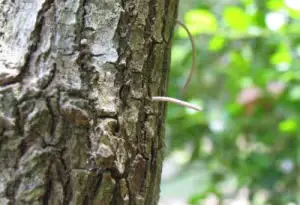
Bark showing damage left by boring beetles
Photo: Albert (Bud) Mayfield, USDA Forest Service, Bugwood.org
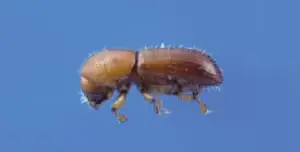
A bark beetle specimen
Photo: Gerald J. Lenhard, Louisiana State University, Bugwood.org

Bark Beetle Treatment

What it is

A group of beetles that bore their way into a tree in order to feed and procreate

Who it’s for

  • Trees with active bark beetles
  • Trees with recent damage (construction, lightning strike, etc.)
  • Trees which are irreplaceable or sentimental

Why you need it

Untreated, the tree is likely to decline and potentially die due to damage from the beetles

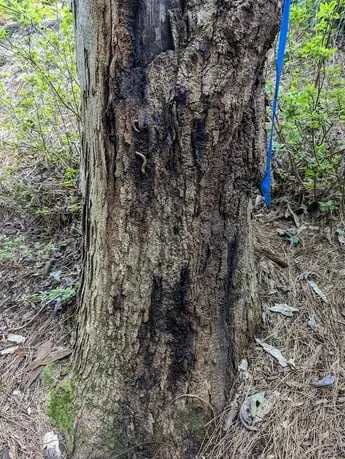
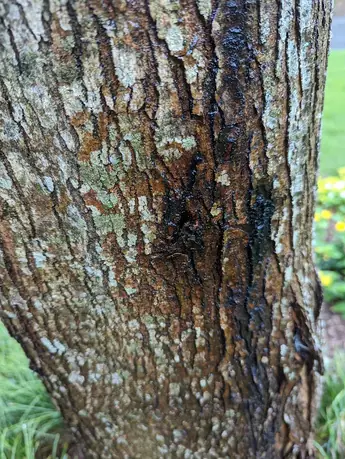
A trunk marked with blue paint Close-up of bark

Phytophthora Canker

What it is

A pathogen that causes decay on the outside of the tree

Who it’s for

This treatment is only recommended when the pathogen is present and active along the trunk of the tree

Why you need it

If treated early, this disease can be managed to reduce or eliminate further decay

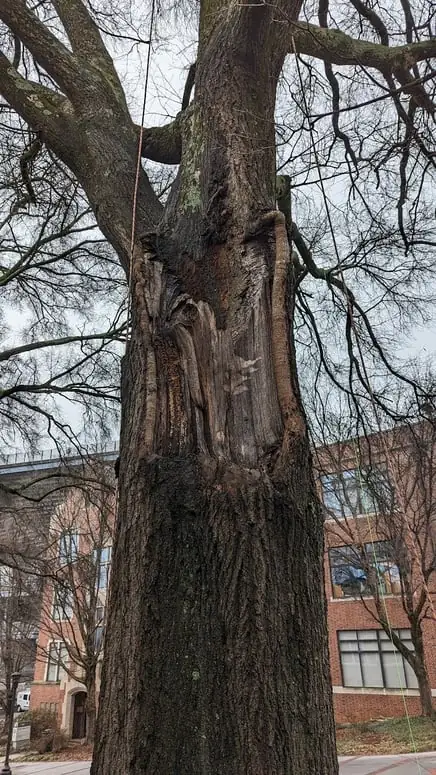
A bare tree beside a building

Tree Risk Assessments

What it is

A Tree Risk Assessment (TRA) as the name suggests assesses the risk probability of targets beneath or surrounding the tree.

Who it’s for

TRA’s can be for any tree but are usually suggested when there is concern that a tree poses a risk of failure and may cause harm if it were to fail.

Why you need it

TRA’s are needed when the arborist is unable to make a concrete recommendation from a visual inspection of the tree. Additionally, some city municipalities may require a TRA in order to secure a removal permit.

Tell us what the tree is doing.

We’ll come and look at it, free, and tell you honestly what it needs.

Request a free quote
Call for a free quote 678-973-7773 Text a photo to 404-783-5629